
Understanding corner kicks: more than a delivery into the box
A spectator’s guide to the corner area, when the ball comes into play and whether a corner can go directly into goal.
Sources checked 2026-09-22
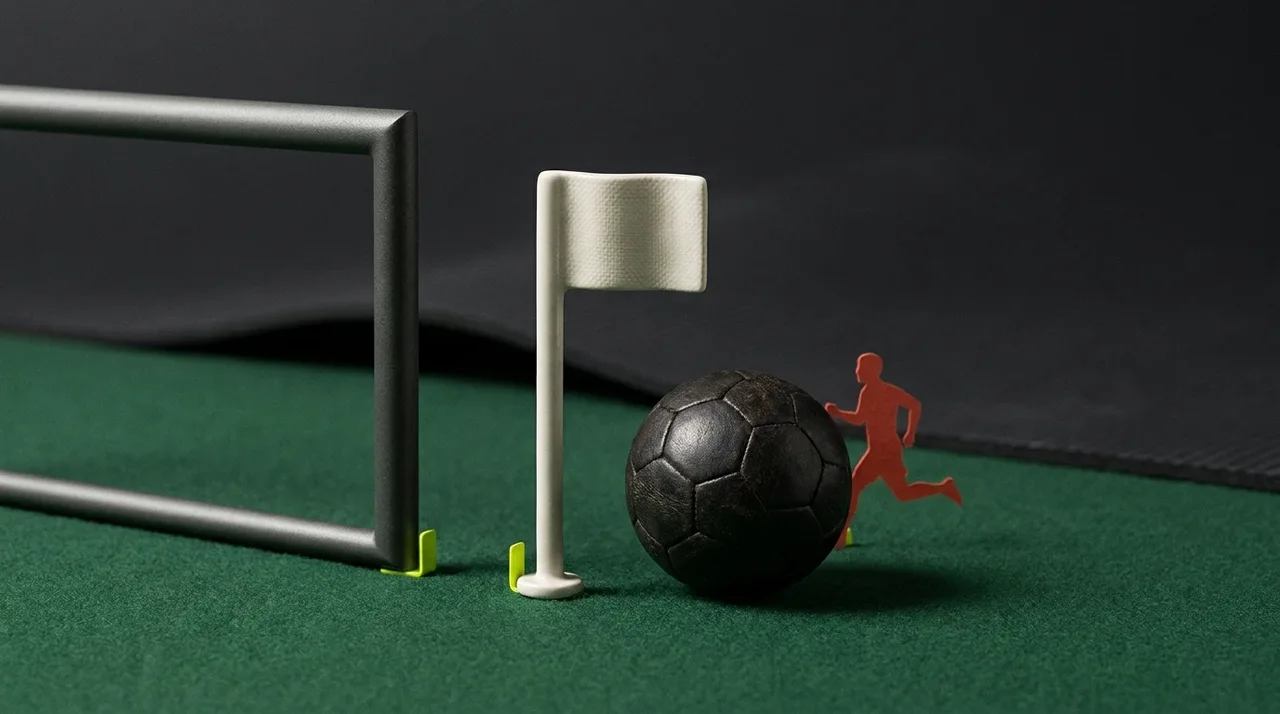
When a corner kick is awarded, fans’ eyes often go first to the crowd in front of goal. But to check whether the restart is legal, you also need to look at the ball’s position near the corner flag. Long deliveries, short passes, and shooting directly at goal are tactical choices, but first you must understand the common rules.
Situations Where a Corner Kick Is Awarded
The most common is when the whole ball crosses the goal line, having last been touched by a defending player, without a goal being scored. But you shouldn’t assume every corner kick comes from that. Under current IFAB rules, there are other reasons, such as the goalkeeper holding the ball for more than eight seconds.
The ball must be placed stationary within the corner area and then kicked. Play starts once the ball is clearly moved by the kick. The ball does not have to leave the corner area for play to begin. The corner flag must not be moved to make the kick easier.
Pay Close Attention to Short Corners
Opponents must stay at least 9.15 metres from the corner arc until the ball is in play. The kicker must not touch the ball again before another player touches it. In a short corner where a teammate takes over, it matters whether the first player’s touch actually moved the ball.
A goal may be scored directly from a corner kick against the opposing team. However, whether any other offence occurred must be checked separately. You should not confuse the issue of whether there was holding or pushing in front of goal with whether the ball went directly in. A beautiful goal is not automatic proof that the restart and all other play were correct.
When studying corner kicks, you can divide what to watch into the near post, the far post, and players waiting outside the area. Before the ball arrives, watch who moves and who creates space. Even a delivery that doesn’t produce an immediate goal may be setting up for another chance. This is one possible way to read tactics, but it does not mean you know every team’s intention for sure.
Under the 2026/27 rules, failing to take a delayed goal kick before the referee’s countdown ends can also result in a corner kick. Check the competition’s season rules before comparing with last season’s matches. A high number of corner kicks can be one indicator for studying attacking pressure, but it is not a complete assessment of a team’s style of play.
To remember a corner kick more easily, you can break it into three stages: the intended delivery area, the first touch in front of goal, and where the ball drops next. After a first touch that does not lead to a shot, which team the ball falls to can determine the follow-up pressure. Instead of only looking at the scorer’s final touch, note which movement created the space. This allows a more balanced assessment of the whole attacking sequence.
By noting which foot the corner taker uses, you can predict whether the ball is likely to curl toward goal or away from it. But don’t assume you know exactly from the first glance. Short corners and changes of approach can alter the delivery. In match analysis, describing what actually happened is more useful for the reader than whether your earlier prediction was right.