
Counterattacks: Why the Right Run Matters More Than the Fastest Runner
When the ball is won back, the first decision, the distribution of running routes, and the timing of the pass determine the quality of the counterattack.
Sources checked 2026-09-22
What to look at first when winning the ball
A counterattack is an attempt to exploit open space quickly before the opposing defence can get organised. Speed matters, but kicking the ball forward every time doesn't make for an effective counterattack. The player who wins the ball must immediately assess whether a forward passing lane is open, whether they can drive forward themselves, or whether they can escape pressure through a nearby teammate. Rushing is different from making the right decision quickly.
When you win the ball facing your own goal, it may not be easy to play it forward immediately. Playing a one-touch pass to a nearby player, and then having someone facing forward continue the attack, can lead to a faster attack. Therefore, a first pass that doesn't go forward should not immediately be considered a wasted opportunity. You need to look at who gets freed up in the next step.
To avoid running into the same space
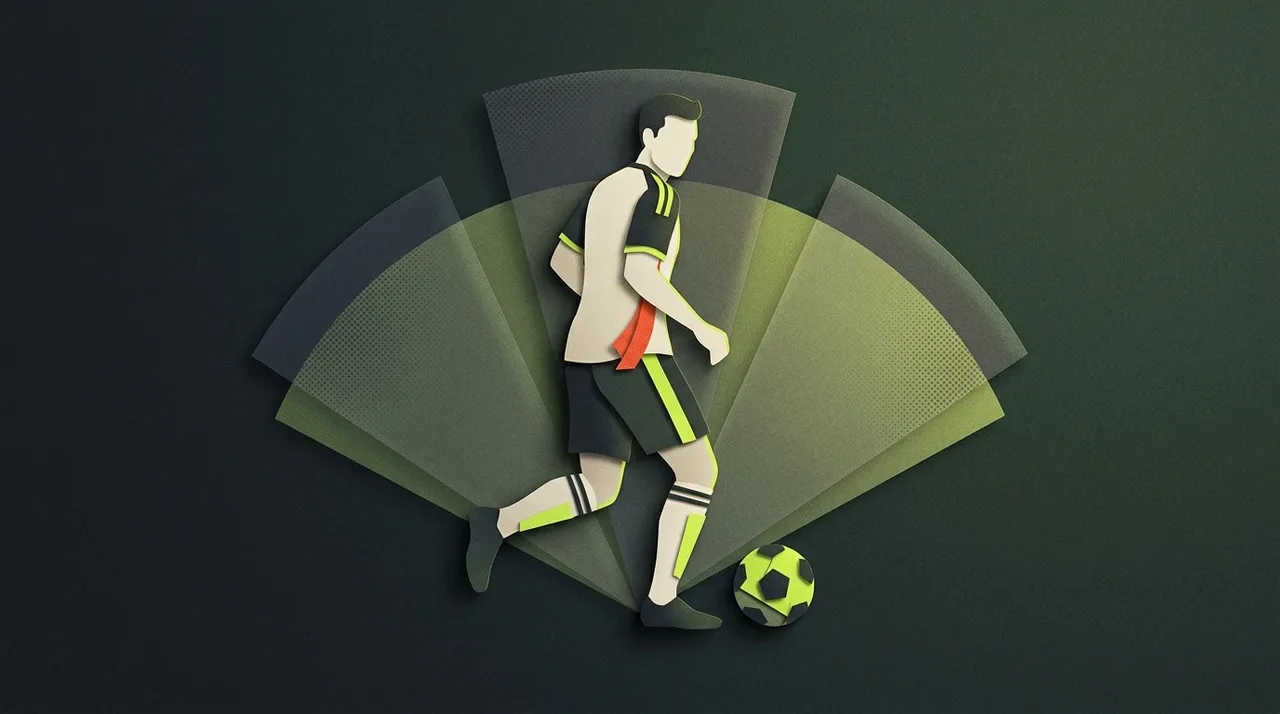
If two forwards run into the same channel, one defender can cover both of them. If one occupies the inside channel and the other pulls wide, it makes the defender's decision harder. The player running without the ball can also drag defenders out, benefiting the attack. Making a run to free up a teammate is just as important as running to receive the ball yourself.
In an imaginary 3v2 situation, the ball carrier can draw one defender to them and then pass. If the pass is made too early, the defender will have time to shift and close down the next player. If it's too late, the passing lane may be closed. Judging the weight of the pass, the receiver's speed and the defender's distance together is the key skill in that situation.
Recycling when the opportunity closes
When opponents recover and the forward passing lane is shut, forcing the attack can lead to losing the ball. Passing sideways or back to a supporting player and allowing the team to push forward may be a better choice. Starting a counterattack doesn't mean it always has to end with a shot. You need to consider the match situation and the danger if you lose the ball.
When studying effective counterattacks, look at where the ball is won, the body shape of the first receiver, the runs of players without the ball and the defensive cover left behind. Committing many players forward can create more danger, but you need enough players to cover defensively. Even an attack that doesn't result in a goal can have been the right decision, just as a goal alone doesn't prove that everything was done correctly.
Additional points to observe when watching matches
Players running without the ball can run not just straight but also with a slight curve. That route can help them enter from outside the defender's field of vision or time their run with the pass. But a well-shaped run alone is not enough; it must match the passer's position. If the passer is under pressure from another direction, running too early into a lane they can't see may reduce the chance of receiving the ball.
When a counterattack fails, instead of blaming only the player who missed the final shot, look back at the decisions along the attacking move. Did the first pass force the receiver to slow down? Did the wide runner close the inside lane? Was the final pass too heavy? On the other hand, even with good decisions, the opposing defender may have defended well. Not linking a result directly to a single action makes the assessment more balanced.
Source: FIFA Training Centre ↗
Explore more stories